
LinkedIn for Teens: Building Your Professional Launchpad Before You're 18
It's tempting to think of LinkedIn as the domain of suit-clad professionals with decades of experience. But the reality is, that perception is outdated and frankly, a bit limiting for ambitious teenagers. In 2026, building your professional digital footprint is as crucial as getting good grades, and the best time to start is now. Waiting until you have a university degree is waiting too long. LinkedIn isn't just a job board; it’s a dynamic platform for self-discovery, networking, skill-building, and showcasing your unique potential. This guide will walk you through why and, more importantly, how you can leverage LinkedIn effectively, even before you turn 18.
Why You Need to Be on LinkedIn Now
The professional landscape is evolving rapidly. Employers and university admissions officers are increasingly looking beyond transcripts and resumes. They want to see your story, your passion projects, your initiative, and how you engage with the world. Your "digital footprint" is the trail of information about you that exists online. If you don't control it, someone else will. A strategic, well-maintained LinkedIn profile is the best way to claim ownership of that narrative.
Share: 


Here’s why early adoption is a game-changer:
1.Visibility to Opportunities: It’s not just about applying for jobs. A compelling profile can attract researchers looking for summer interns, universities seeking unique students, or mentors who are willing to guide your journey. You never know who might be looking for someone with your exact set of skills and enthusiasm.
2.Building Your Network: Networking isn't a transactional exercise that starts at age 22. Start connecting with people in fields that interest you. Learn from their career paths. A connection made at 16 can open doors at 21. Think of it as investing in your future professional capital.
3.Demonstrating Initiative: Most teens aren't on LinkedIn. Having a thoughtful profile makes you stand out immediately. It signals to potential recruiters and advisors that you are proactive, forward-thinking, and serious about your future. You are demonstrating maturity beyond your years.
4.Skill Discovery and Endorsement: The process of building your profile requires you to think critically about what you are good at. As you gain skills through internships, volunteering, or even school projects, you can add them to your profile. Over time, as you build connections, you can gain endorsements for these skills, which provides social proof of your abilities.
5.Learning and Inspiration: Your LinkedIn feed will be filled with content from professionals in fields that intrigue you. You’ll learn about industry trends, challenges, and new technologies. It's a goldmine of practical knowledge that can inform your academic choices and career aspirations.
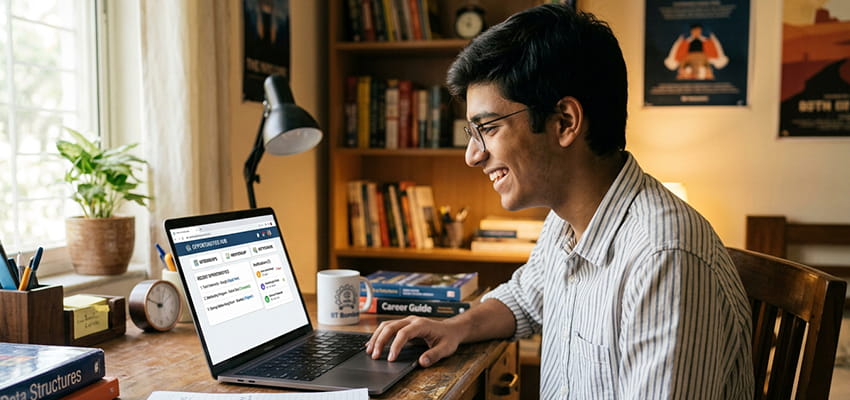
Building Your Profile: From Zero to Pro
A great LinkedIn profile is like a dynamic, interactive resume. Here’s a step-by-step guide to building one that truly reflects your potential:
1. The Foundation: A Professional Picture and Headline
Your profile picture is your first impression. It doesn't need to be a corporate headshot, but it must be high-quality and friendly. Ask a friend to take a well-lit photo of you smiling in a clean, professional setting. A neat shirt and a plain background work wonders.
Your headline is equally critical. By default, it might say "Student at [High School]." That’s accurate, but it's not compelling. Use your headline to showcase your aspirations. Think about what you want to be known for. Try something like:
- "Aspiring Environmental Engineer | Passionate about Sustainability & Renewable Energy"
- "Code Enthusiast | Specializing in Python & Java | High School Student"
- "Graphic Design Student & Amateur Photographer | Seeking Creative Collaborations"
Your headline should be a quick snapshot of your passion and ambition.

2. The Summary: Your Story, Your Future
The "About" section is your chance to tell your story in a way that a formal application doesn't allow. This is your personal pitch. It should be a blend of your current self and your future aspirations. Be authentic and conversational. Consider including:
- Your Passions: What subjects or topics genuinely excite you? (e.g., "I've been fascinated by robotics ever since I built my first Lego Mindstorms kit at age 10.")
- Your Journey: What are you currently doing that relates to your passion? (e.g., "Currently, I’m the leader of my high school's robotics team, where we are designing a competitive robot for the FIRST Robotics competition.")
- Your Vision: What impact do you hope to make? (e.g., "My goal is to study robotic engineering and develop assistive technologies that can improve the lives of individuals with disabilities.")
- A Call to Action: What are you looking for? (e.g., "I'm eager to connect with professionals in the robotics field, find summer mentorship opportunities, or collaborate on projects.")
3. Showcasing Your Accomplishments: Experience and Projects
You may not have a "work" history, and that's completely fine. LinkedIn allows you to add much more than just paid jobs. In the "Experience" section, include:
- Volunteering: Volunteering is a powerful way to demonstrate commitment and learn valuable skills. List the organization, your role, and what you accomplished. Did you coordinate a charity event? Help organize a local community garden? All of these are experiences.
- Internships (or "Pre-Internships"): Even if it was just shadowing a professional for a week, include it. Describe what you observed and what you learned. It shows initiative and a willingness to explore careers.
- Passion Projects: Did you build an app? Code a game? Start a podcast? Write a series of articles? Creating something from scratch is a massive achievement. Use the "Projects" section to highlight these. You can even include links, images, or videos of your work. This is where your skills truly come alive.
- Leadership Roles: Were you the president of the debate club? Captain of the soccer team? Leadership is a highly transferable skill. Describe your responsibilities and your achievements in these roles. Did you increase club membership? Help lead your team to a championship? Be specific.

4. Demonstrating Knowledge: Skills and Endorsements
What are you naturally good at? Think of hard skills (e.g., Python, Graphic Design, Social Media Marketing) and soft skills (e.g., Public Speaking, Problem Solving, Team Leadership). Start with about 5-10 strong skills. As you connect with more people, you can gracefully request endorsements from people who can genuinely speak to your abilities (like a teacher, a club advisor, or a former supervisor). A skills section backed by endorsements builds credibility.
5. Sharing and Engaging: Be an Active Participant
A profile is great, but activity is better. LinkedIn is not just a static CV; it's a social network. Here’s how to get involved:
- Follow Influencers and Companies: Follow the top thinkers, organizations, and potential employers in your field of interest. This will populate your feed with relevant information and help you understand the pulse of the industry.
- Share Content: Found an interesting article on AI? Read a great book on leadership? Share a link with a thoughtful comment. This shows you are actively learning and engaged with your field.
- Comment Thoughtfully: Don't just "like" a post. When you see something that resonates, leave a specific, thoughtful comment. Offer a new perspective or ask a question. This is one of the most effective ways to build visibility and demonstrate your own critical thinking.
- Celebrate Others: When you see someone, you admire achieve something, take a moment to congratulate them in a comment. Generosity goes a long way in professional networking.
Navigating the Digital World as a Teen: Privacy and Safety
Your safety and privacy are paramount. You can, and should, use LinkedIn while keeping your personal information secure. Here’s how:
- Be Careful with Personal Details: Avoid sharing sensitive information like your precise home address, private phone number, or detailed personal schedule. This is professional platform, not a personal journal.
- Adjust Your Visibility: Take advantage of LinkedIn’s robust privacy settings. You can control who can see your connections, who can send you requests, and who can see your contact information.
- Review Connections Carefully: Before you connect with someone, review their profile. Do they have a professional-looking profile? Do you have mutual connections? If something feels off, don’t connect. If you do connect and then feel uncomfortable, you can always remove or block them.
- Seek Adult Guidance: If you have questions about whether a certain interaction or post is appropriate, or if you receive a message that makes you feel uncomfortable, talk to a parent, teacher, or counsellor. They can help you navigate these situations safely.
A Professional Journey, One Post at a Time
Building a professional digital footprint is not an overnight task. It's a process of continuous learning, sharing, and connecting. Don't worry about making your profile perfect from day one. Start with the basics and commit to being a little bit active each week. Think of it as plant you are carefully nurturing. Over time, that profile will grow and evolve with you, becoming an invaluable asset that not only helps you secure opportunities but also guides you towards a career you are truly passionate about. In 2026 and beyond, your career journey doesn't start at 22; it starts the moment you decide to proactively shape your own future. LinkedIn is the perfect place to begin that exciting journey. Now, go create that profile.
